
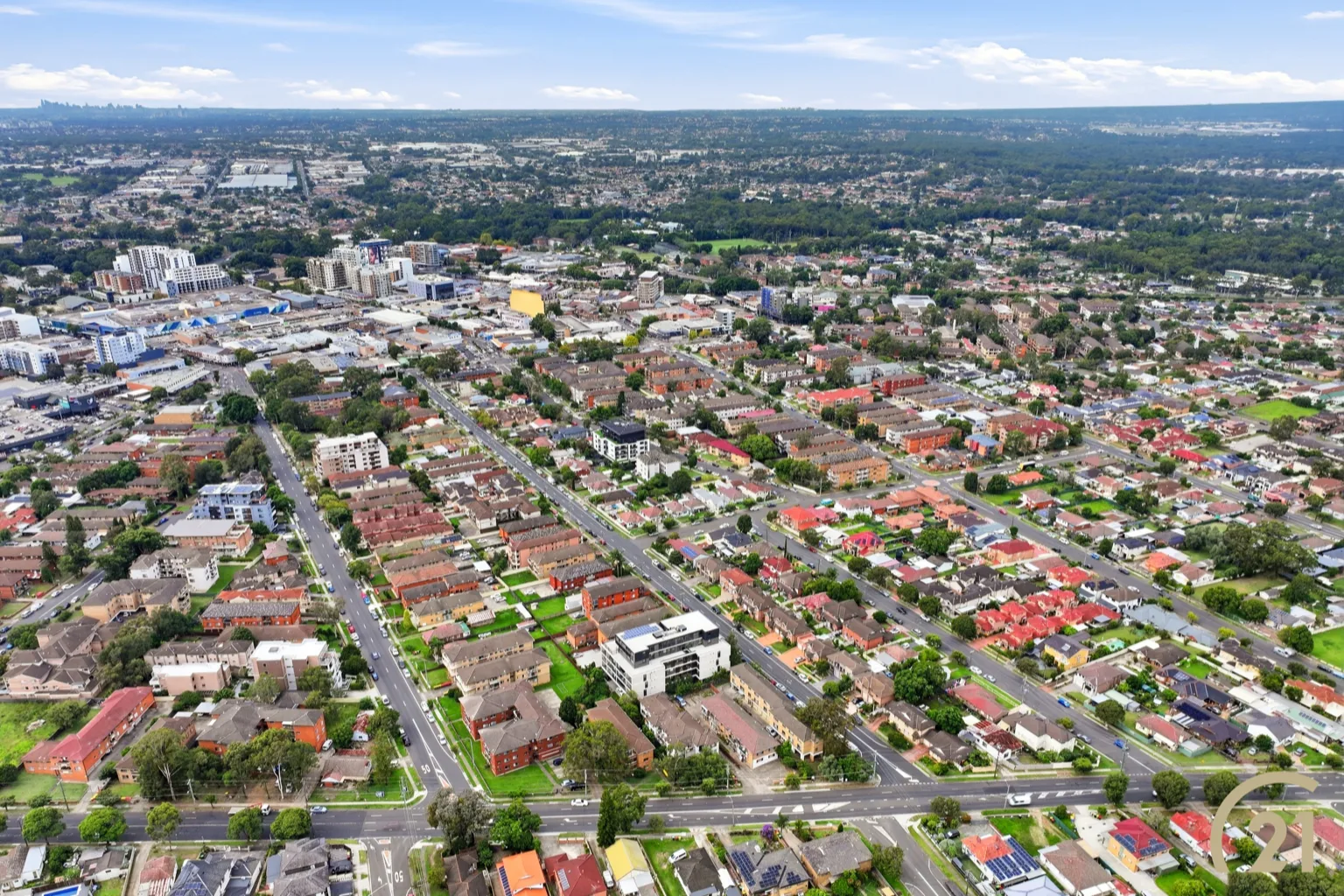
How many photos does a Sydney real estate listing need? For most houses, 25 to 35 finished images. For apartments and units, 15 to 25. For prestige homes, waterfront property and acreage, a deeper set of 40 or more, with the portal gallery cut to the strongest frames. The exact number matters less than the job each frame does: every image should sell a feature or move the buyer to the next space.
This guide breaks down the right photo count by property type, the shot order that holds attention on the portals and how the count shifts across Sydney, from Mosman and the North Shore to Parramatta, the Hills District and Fairfield.
Why There Is No Single Magic Number
Buyers move through a listing gallery the way they move through a social feed. Too few images and they assume something is being hidden: a small second bedroom, a tired bathroom, no real outdoor space. Too many and the best images get buried between three angles of the same hallway. The right count is the smallest number of photos that answers every question a serious buyer has before they book an inspection.
Portals also limit how many images display on a listing, and your CRM can hold more photos than the live listing shows. Check the current limit in your CRM or the portal help centre before launch, so the frames you care about most sit inside it. For the technical side, see our guide to realestate.com.au and Domain listing photo and video requirements.
Recommended Photo Count by Property Type
Apartments and Units: 15 to 25 Photos
An apartment sells on light, layout, outlook and building amenity. Cover the living and dining space from two strong angles, the kitchen, each bedroom, each bathroom, the balcony and the view, then the shared amenity: pool, gym, lobby or rooftop. Past 25 images, galleries repeat themselves. Let a floor plan to do the spatial work instead of extra room angles.
Family Homes: 25 to 35 Photos
A family home needs room for every selling point: the street presence, the main living zones, the kitchen, the bedrooms, the bathrooms, the yard, the pool or entertaining area, and the garage or parking. Living spaces and outdoor areas earn two or three frames each. Secondary bedrooms usually need one. This range gives buyers the full picture without diluting the hero images.
Prestige, Waterfront and Acreage: 40 or More
Luxury and prestige homes carry more rooms, more detail and more story. A deeper shoot captures architectural detail, joinery, materials, views from multiple rooms, garden spaces and the setting from the air. The portal gallery should still be curated down to the strongest sequence, while the full set feeds the brochure, the agency website, the signboard and the social campaign. For the wider strategy, read our guide to premium listing strategy for luxury homes.
The Shot Order That Holds Attention
Order matters as much as count. Most buyers decide in the first few images whether to keep scrolling or click away, so lead with the strongest reason to buy and let the gallery walk them through the home.
- Hero image. The front elevation, the view, or a drone frame that shows the block and setting.
- Main living space. The room where the buyer pictures their life.
- Kitchen. Shot wide first, then one detail frame if the finishes deserve it.
- Outdoor and entertaining areas. Pool, deck, garden, courtyard or balcony.
- Main bedroom and ensuite.
- Remaining bedrooms and bathrooms.
- Lifestyle and location. Aerial context showing water, parks, schools or transport.
- Floor plan. So the buyer can confirm the layout before they inspect.
What Counts as a Wasted Frame
Every weak image lowers the average quality of the gallery. Cut near duplicate angles of the same room, empty hallways, close ups of toilets, plain laundries, cluttered storage and any frame where a mirror or window shows the photographer. If a photo does not sell a feature or explain the layout, it is costing the listing attention rather than earning it.
How the Count Changes Across Sydney
The principles are the same everywhere. What changes is where the extra frames go.
Mosman and the North Shore. View properties live or die on the outlook. Spend extra frames on the view from the living room, the main bedroom and the terrace, and add drone to show harbour and bushland context. Twilight images often become the hero.
Eastern Suburbs and Randwick. Terraces and apartments are often tight, so precision beats volume. Fewer, well corrected wide frames, a strong courtyard image and clear proximity to the beach or village usually outperform a long gallery.
Parramatta. New apartment stock competes side by side, so a consistent, polished set that features the building amenity and the city or river outlook helps a listing stand apart from neighbouring units.
Hills District. Larger blocks and acreage need the land shown properly. Drone frames for the full block, the pool and the garden earn their place, and the count naturally sits at the top of the family home range or above.
Fairfield and Cabramatta. Larger family homes, extra bedrooms, granny flats and secondary dwellings each deserve their own frame so buyers can count the accommodation at a glance. Clean, fast loading images matter, because a lot of browsing happens on a phone.
Quality Beats Quantity Every Time
Thirty average photos will not outsell twenty exceptional ones. Consistent exposure, straight verticals, natural colour and deliberate composition do more for a campaign than an extra ten frames. Pair the gallery with a floor plan, aerial drone photography where the setting adds value, and a cinematic listing film, and the gallery stops being a photo set and becomes a campaign.
If you are choosing who shoots your next listing, our guide on how to choose a real estate photographer in Sydney covers what to ask before you book.
Frequently Asked Questions
How many photos does a Sydney real estate listing need?
Most Sydney houses need 25 to 35 finished photos, apartments and units need 15 to 25, and prestige, waterfront or acreage homes need a deeper set of 40 or more, with the portal gallery cut to the strongest frames. Every image should sell a feature or move the buyer to the next space.
Can a real estate listing have too many photos?
Yes. Near duplicate angles, empty hallways and close ups of utility rooms bury your strongest images and make the home feel smaller. A tight, well ordered gallery holds attention longer than a padded one.
What should the first photo on a listing be?
The first photo should be the single strongest reason to buy the home. For most houses that is a front elevation or a drone frame showing the block and setting. For view properties it is the outlook, and for apartments it is often the main living space with its light and view.
Should a Sydney listing include a floor plan and drone photos?
A floor plan should be included on almost every listing because buyers use it to check layout before they inspect. Drone photos earn their place whenever the land, the street, the water or nearby amenity is part of the value.
Give your next listing a gallery buyers stop for
101 Studios shoots premium Sydney listings with cinematic photography, film, drone and twilight, sequenced so every frame earns its place. From the harbour to the Hills District.
Book 101 Studios